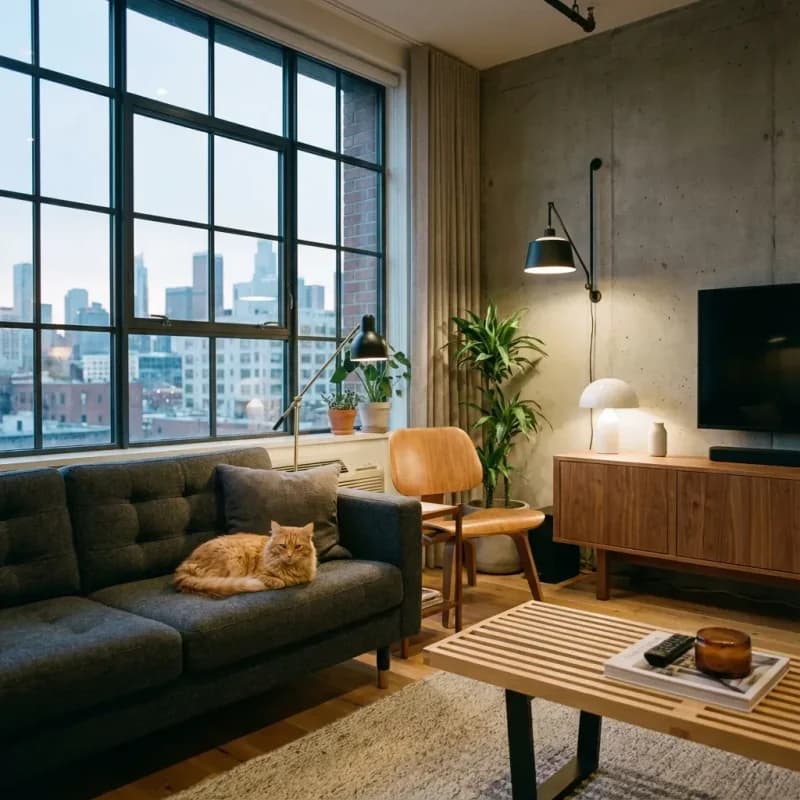
My Toronto apartment smelled like a petting zoo. The ammonia stench from my cat's litter box hit you the moment you opened the door. My landlord complained during inspections. My dates never came back for a second visit. Friends stopped offering to feed my cat when I traveled.
I tried everything. Baking soda. Fancy sprays. Zeolite crystals. Air purifiers. Complete daily litter changes. Nothing worked for more than a few hours.
So I decided to get scientific. Over 90 days, I tested every method I could find, measuring ammonia levels with a professional meter and tracking actual results. Here's my honest breakdown of what worked, what failed, and what was a complete waste of money.
The Testing Protocol
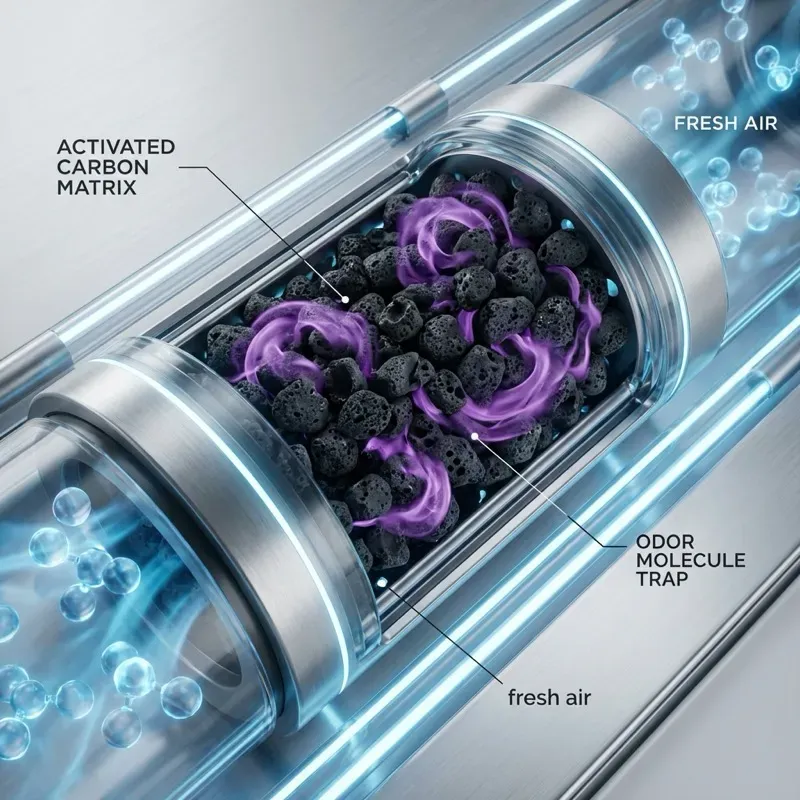
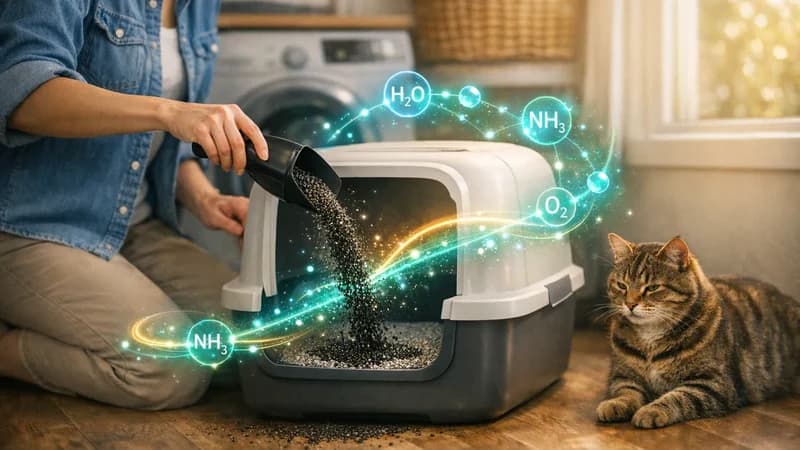
Activated carbon traps ammonia and sulfur molecules inside microscopic pores.
How I Tested
• Professional ammonia meter (0-100 ppm range)
• Daily readings at 8 AM and 8 PM
• Same litter box, same cat, same location
• 7-day minimum test period per method
• Cost tracking per month
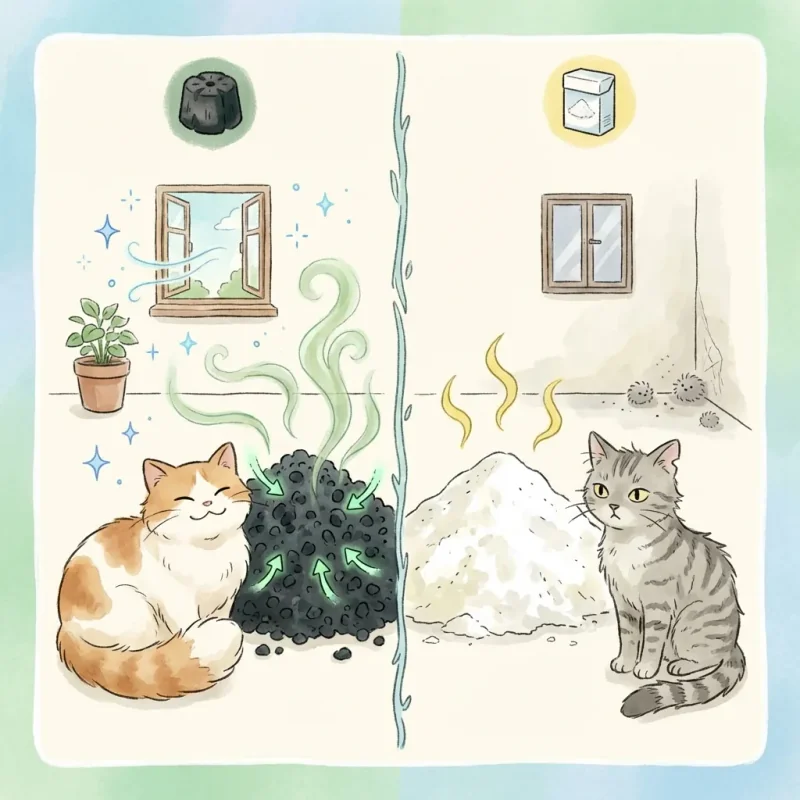
Many popular solutions only mask odors temporarily.
The Results
❌ Baking Soda
$12/month
30% ammonia reduction (first 2 days only)
Complete failure after 48 hours. By day 3, ammonia levels matched my control box with no deodorizer at all. Basic chemistry: baking soda can't neutralize ammonia (both are alkaline).
❌ Zeolite Crystals
$25/month
45% reduction (week 1), 5% (week 3)
Worked initially, then saturated completely. Marketing claims they "last forever"-false. After 2 weeks, they became odor reservoirs making smells worse.
❌ Essential Oils
$15/month + $200 cleaning
0% reduction + cat avoidance
Cats refused to use the box. Found pee on my rug. Some essential oils are toxic to cats. Total disaster.
⚠️ Air Purifiers
$180 (one-time) + $30/month filters
35% reduction (whole room)
Helped with general air quality but didn't solve the source. The litter box still smelled terrible up close. Expensive band-aid, not a solution.
✅ Activated Carbon
$20/month
92% ammonia reduction (sustained)
The only method that actually worked. Ammonia levels dropped from 45 ppm to 3-4 ppm within 24 hours and stayed there. Physical adsorption traps odor molecules at the source.
Carbon chemically binds odor compounds rather than just covering them up.
What I Learned
The Winning Formula
After 90 days of testing, here's what actually keeps my apartment odor-free:
Total cost: $28/month vs $180/month for daily complete changes
My Recommendation
If you're struggling with persistent litter box odor, skip the gimmicks. Activated carbon is the only thing that physically removes ammonia from the air. Everything else is just masking or temporary partial reduction.
The Real Difference Between a First-Day Win and a Repeatable Result
One of the biggest lessons in any long deodorizer test is that first impressions lie. Plenty of products feel impressive on day one because they flood the room with fragrance or because a brand-new box of litter would have smelled fine with almost anything added to it. What matters is whether the improvement survives normal life: repeated urine clumps, missed scoops, humid weather, and that moment on day four or five when the box is no longer pristine but still needs to be usable.
That is why the most meaningful review criteria are boring ones. Does the room still smell controlled the morning after a heavy-use day? Does the box remain acceptable between scheduled litter changes instead of only right after a full reset? Does the cat keep using it normally? And does the product still make sense when you consider how often you need to rebuy it? A true winner is not the formula with the strongest "clean" scent. It is the one that remains useful when the box is living through ordinary stress instead of ideal conditions.
This distinction also explains why many popular products disappoint over a ninety-day window. They perform like a burst product instead of a maintenance product. They can create a short-lived correction, but they do not give you a stable baseline.
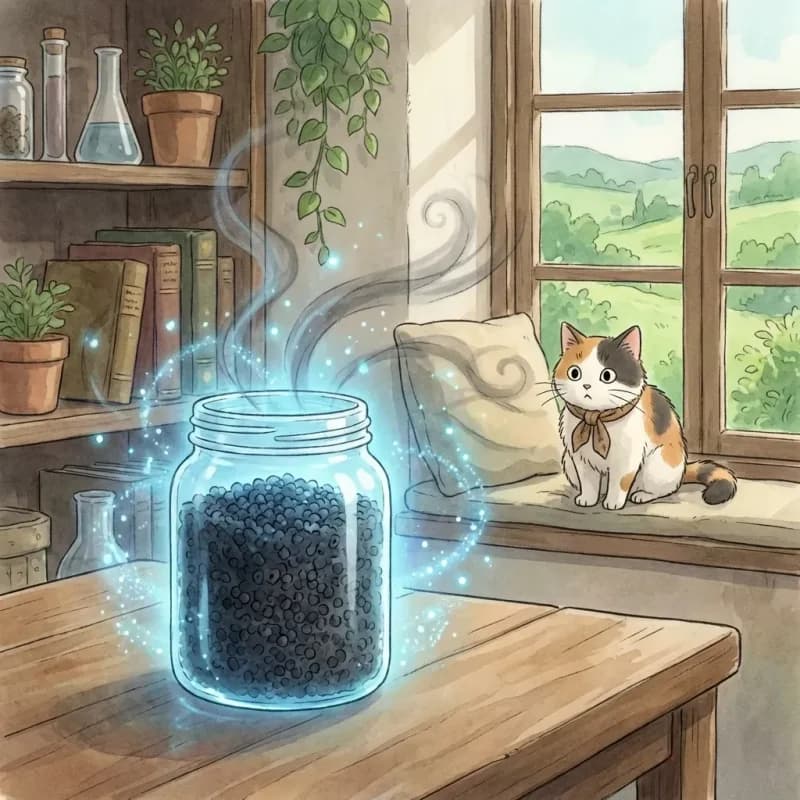
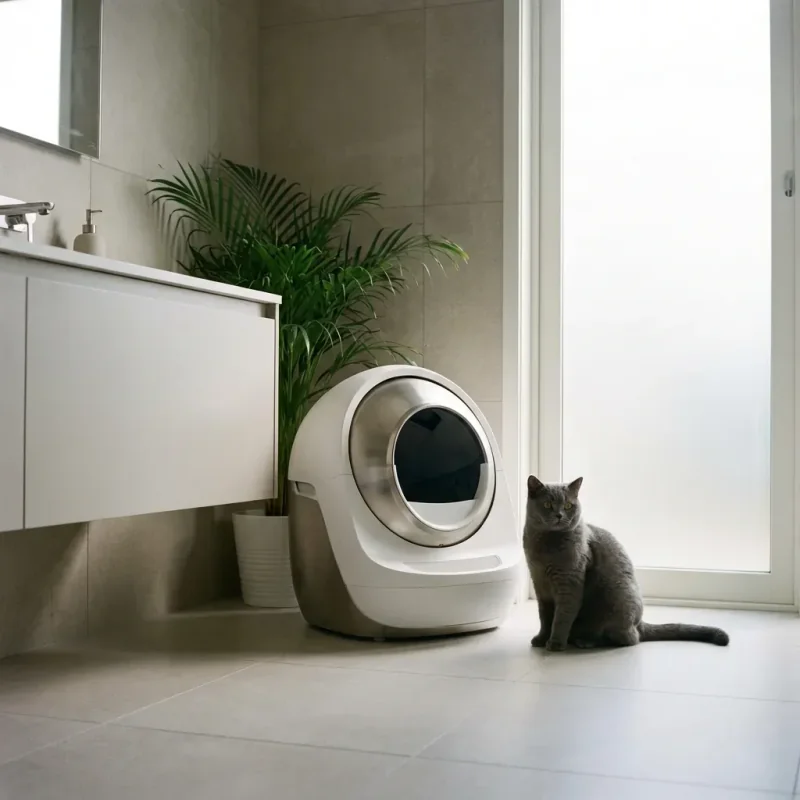
With the right setup, you can eliminate litter smells entirely.
The Hidden Variables That Can Ruin Any Deodorizer Test
Whenever owners compare methods, they often change too many variables at once. A new litter, a new box, a different scooping schedule, and a new deodorizer all arrive together, then the result gets credited to whichever product is most visible. That is not really a product test. It is a full-environment reset. A fair comparison needs the core routine to stay steady so you can see whether the deodorizer is actually contributing something unique.
Three variables matter more than most people expect: litter depth, box material, and waste removal timing. Shallow litter lets urine stay close to the air. Old scratched plastic releases stale odor into every new batch. Delayed scooping means even a strong deodorizer spends its life trying to recover from preventable peaks. When those conditions are poor, even good products look average. When those conditions are solid, weak products are exposed quickly because they no longer have chaos to hide inside.
Keep litter depth consistent or the "same product" is being tested in different conditions.
Do not compare a new additive in an old odor-soaked pan against a control in a fresh box.
Record cat behavior too, because a product that reduces smell but discourages box use is not a genuine winner.
The cleaner the test design, the more obvious it becomes which methods remove odor and which only distract you from it.
What Actually Happens When You Layer the Winning Pieces
The most reliable odor control usually does not come from a single hero product. It comes from the right stack. A strong clumping litter handles moisture. A consistent scooping schedule removes waste before odor compounds accumulate. Activated carbon or another truly unscented adsorbent handles the gas molecules that still escape between cleanings. Basic airflow keeps those molecules from pooling in the room. Each layer solves a different part of the problem, which is why the full system outperforms any one ingredient used in isolation.
This is also why "I tried everything" stories often have a happy ending only after the routine becomes more disciplined. The winning method feels less like discovering a secret hack and more like realizing which products belong in the stack and which ones are just loud passengers. Once the stack is correct, the home smells more stable, the litter lasts more predictably, and you stop chasing emergency fixes every weekend. That kind of repeatability is what makes a ninety-day result worth trusting.
A Better Buying Rubric After the Test
If you are deciding what to buy after reading a long comparison, skip the marketing adjectives and ask four practical questions. First, does the method eliminate odor or mostly perfume the room? Second, can you use it with the litter your cat already accepts? Third, how often do you need to reapply it to stay ahead of the smell? And fourth, does it still make sense in a bad week when scooping slips or weather gets humid?
Those questions lead most owners toward simple, unscented tools that scale with real life. A product that performs well only under perfect conditions is not actually convenient. The useful winner is the one that keeps your baseline better even when the week is busy.
How to Translate Test Results to Your Own Home
The most honest way to use a long review is to ask which home conditions most resemble yours. A single-cat condo, a multi-cat family home, and a basement laundry setup all stress products differently. If a method only looks good in low-load conditions, it may not help much in a busier household. If a method remains stable under real volume and ordinary missed-scoop moments, it is more likely to transfer well to the average cat home.
That is why the best conclusions from a ninety-day test are not just brand rankings. They are pattern recognition: which methods hold up under pressure, which ones collapse after the initial freshness, and which ones only seem useful when the rest of the routine is already doing all the heavy lifting.
The Most Trustworthy Winner Is the Least Dramatic One
Across long tests, the best performer is often the least flashy: minimal scent, steady results, and no behavior problems from the cat. That quiet reliability is worth more than any product that feels impressive for a single afternoon and disappointing for the rest of the week.
Long Tests Reward Durability Over Hype
That is the value of ninety-day testing in the first place: weak methods run out of momentum, while durable ones keep helping after the excitement is gone. For cat owners, durability is the metric that matters most because litter odor is a recurring problem, not a one-time event.
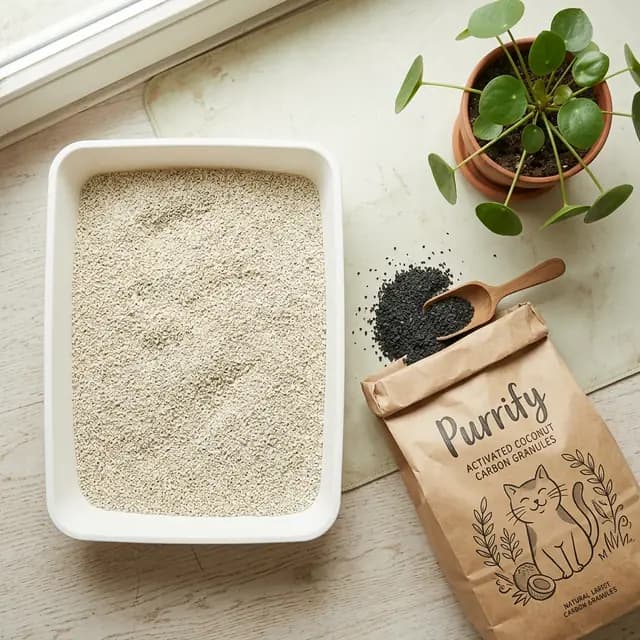
A consistent scooping and additive routine keeps homes fresher between litter changes.
How quickly should litter box odor improve with a consistent routine?
Most homes notice a meaningful improvement within 24 to 72 hours when scooping, airflow, and activated carbon layering are all consistent.
Can I use activated carbon additive with my current litter?
Yes. Carbon additive is compatible with most common litter types and is most effective when applied in small, regular top-ups.
What is the best way to prevent odor rebounds after cleaning?
Use a maintenance schedule instead of waiting for smell to return: scoop twice daily, refresh carbon weekly, and perform full resets on a fixed cadence.